
Category Gluten Free Recipes 3
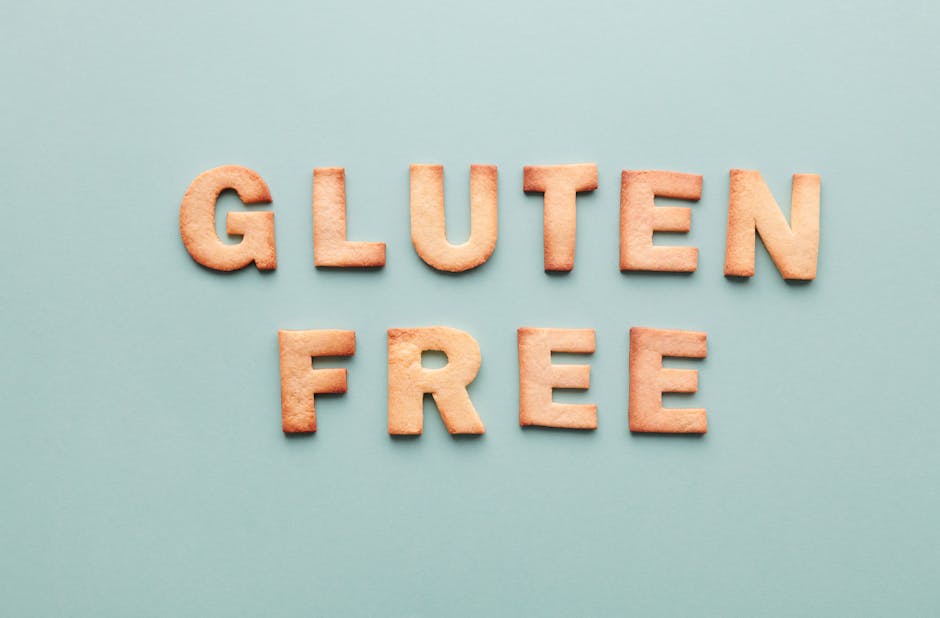
Gluten-Free Recipes: Delicious and Healthy Options for Every Meal
Navigating a gluten-free diet no longer means sacrificing flavor or variety. This collection of gluten-free recipes offers a diverse range of dishes suitable for breakfast, lunch, dinner, and even snacks and desserts, all without a trace of gluten. From quick and easy weeknight meals to impressive dishes for special occasions, these recipes are designed to be accessible for home cooks of all skill levels, utilizing readily available ingredients and straightforward techniques. The emphasis is on wholesome, nutrient-dense foods that satisfy cravings and support a healthy lifestyle while adhering to gluten-free principles. We will explore a spectrum of culinary styles, ensuring there’s something to tantalize every palate.
Breakfast Bonanza: Energizing Gluten-Free Mornings
The day begins with breakfast, and gluten-free mornings can be just as vibrant and satisfying. Traditional breakfast staples often rely on wheat, but we’ll delve into creative alternatives. For a quick and protein-packed option, consider Quinoa Breakfast Bowls. Cooked quinoa, a complete protein, serves as the base. Top it with fresh berries, a drizzle of honey or maple syrup, a sprinkle of chia seeds for added omega-3s and fiber, and a dollop of Greek yogurt or a dairy-free alternative for creaminess. This breakfast is highly customizable; nuts, seeds, or even a hint of cinnamon can be added to personalize the flavor profile. Another excellent choice is Gluten-Free Oatmeal. While oats themselves are naturally gluten-free, cross-contamination during processing is a common concern for those with celiac disease or severe gluten sensitivity. Therefore, opting for certified gluten-free oats is crucial. Prepare them with your preferred milk (dairy or non-dairy) and then adorn with sliced bananas, chopped apples, a handful of walnuts, and a sprinkle of brown sugar or a touch of agave nectar. For a more indulgent weekend treat, Almond Flour Pancakes are a revelation. Made with almond flour, eggs, a touch of baking powder, and a liquid sweetener, these pancakes are fluffy, moist, and have a delightful nutty flavor. Serve them with fresh fruit compote or a dollop of whipped cream. If you prefer savory mornings, Sweet Potato and Black Bean Hash is a fantastic option. Diced sweet potatoes are sautéed with black beans, corn, onions, and bell peppers, seasoned with cumin, chili powder, and paprika. Top with a fried or poached egg for a complete and hearty meal. For those on the go, Gluten-Free Breakfast Muffins made with a blend of alternative flours like almond, coconut, and tapioca starch, packed with fruits and nuts, are perfect for grabbing and enjoying.
Lunchtime Delights: Satisfying Gluten-Free Midday Meals
Lunchtime calls for meals that are both convenient and sustaining. Gluten-free salads can be incredibly robust and flavorful. The Mediterranean Chickpea Salad is a perfect example. It features canned chickpeas, diced cucumber, cherry tomatoes, Kalamata olives, red onion, and crumbled feta cheese (optional), all tossed in a lemon-herb vinaigrette. This salad is packed with fiber, protein, and healthy fats, making it a wonderfully filling option. For a warm and comforting lunch, Lentil Soup is a classic. Made with brown or green lentils, vegetables like carrots, celery, and onions, and seasoned with herbs and vegetable broth, this soup is hearty and nutritious. Ensure your vegetable broth is certified gluten-free. Another excellent choice is a Turkey and Avocado Wrap using gluten-free tortillas. Load them with sliced turkey breast, ripe avocado, crisp lettuce, and a spread of gluten-free mayonnaise or mustard. The combination of protein, healthy fats, and fiber will keep you satisfied until dinner. For a lighter yet still satisfying option, consider Caprese Skewers made with cherry tomatoes, fresh mozzarella balls (bocconcini), and basil leaves, drizzled with balsamic glaze. These are not only visually appealing but also incredibly fresh and flavorful. For those who enjoy a hearty bowl, a Salmon and Quinoa Salad offers a sophisticated yet simple lunch. Flaked cooked salmon is combined with cooked quinoa, chopped spinach or kale, edamame, and a light ginger-sesame dressing. This meal provides excellent omega-3 fatty acids and plant-based protein.
Dinner is Served: Gluten-Free Feasts for Every Evening
The evening meal is often the centerpiece of the day, and gluten-free dinners can be incredibly diverse and crowd-pleasing. Sheet Pan Lemon Herb Roasted Chicken and Vegetables is a weeknight wonder. Chicken pieces (thighs or breasts) are roasted on a single baking sheet alongside a medley of vegetables such as broccoli florets, bell pepper strips, red onion wedges, and zucchini slices. Tossed in olive oil and seasoned with lemon juice, dried herbs (rosemary, thyme, oregano), salt, and pepper, this dish is minimal in cleanup and maximum in flavor. Another family favorite is Gluten-Free Spaghetti with Meat Sauce. Utilize gluten-free pasta made from rice, corn, or lentil flours. The meat sauce can be made with lean ground beef or turkey, sautéed onions and garlic, crushed tomatoes, and a blend of Italian herbs. For a vegetarian option, Black Bean Burgers are a fantastic alternative. These homemade burgers, made with mashed black beans, gluten-free breadcrumbs (or rolled oats), chopped vegetables, and spices, can be served on gluten-free buns with your favorite toppings. Baked Salmon with Asparagus and Sweet Potato Wedges offers a healthy and elegant dinner. The salmon is seasoned and baked until flaky, while asparagus spears are roasted alongside, and sweet potato wedges are seasoned and baked until tender. The simplicity of preparation belies the sophisticated flavors. For a more international flair, Chicken Stir-Fry with Rice Noodles is a vibrant choice. Chicken breast or thighs are stir-fried with a variety of colorful vegetables like snap peas, carrots, bell peppers, and broccoli in a gluten-free soy sauce or tamari-based sauce. Serve over gluten-free rice noodles or steamed white or brown rice. For a comforting and hearty stew, Beef Stew with Root Vegetables is perfect for cooler evenings. Tender chunks of beef are slow-cooked with potatoes, carrots, parsnips, and celery in a rich, savory broth seasoned with herbs. Ensure any thickeners used are gluten-free, such as cornstarch or tapioca starch.
Snacks & Sides: Gluten-Free Nibbles and Accompaniments
Healthy and satisfying snacks are essential for maintaining energy levels throughout the day, and gluten-free sides can elevate any meal. For a simple yet delicious snack, Apple Slices with Almond Butter is a classic. The combination of crisp apple and creamy nut butter provides fiber, protein, and healthy fats. Rice Cakes with Avocado and Everything Bagel Seasoning offer a light and flavorful option. The crunch of the rice cake, combined with the creaminess of the avocado and the savory seasoning, is incredibly satisfying. For a more substantial snack or appetizer, Hummus with Vegetable Sticks is a winner. Homemade or store-bought hummus (ensure it’s gluten-free) served with an assortment of colorful vegetable sticks like carrots, celery, bell peppers, and cucumber provides fiber and nutrients. Roasted Chickpeas are a fantastic crunchy snack. Toss canned chickpeas with olive oil and your favorite spices (paprika, cumin, garlic powder) and roast until crispy. They are a healthier alternative to potato chips. For a delightful side dish, Roasted Brussels Sprouts with Balsamic Glaze are a crowd-pleaser. Toss Brussels sprouts with olive oil, salt, and pepper, roast until tender and slightly caramelized, and then drizzle with a balsamic glaze. Cauliflower Rice is a versatile side dish that can be seasoned in various ways to complement any meal. It can be steamed, sautéed, or even baked and seasoned with garlic, herbs, or a touch of lemon. Gluten-Free Cornbread offers a comforting and slightly sweet accompaniment to chili or stews. Made with cornmeal and a blend of alternative flours, it provides a delightful texture and flavor.
Sweet Endings: Decadent Gluten-Free Desserts
Indulging your sweet tooth is entirely possible on a gluten-free diet. Chocolate Avocado Mousse is surprisingly rich and decadent, made with ripe avocados, unsweetened cocoa powder, a liquid sweetener, and a touch of vanilla extract. The avocado provides a creamy texture without the need for dairy. Berry Crumble with Oat Topping is a delightful dessert. A base of mixed berries (strawberries, blueberries, raspberries) is topped with a crumble made from certified gluten-free oats, almond flour, a touch of sugar, and butter or coconut oil. Bake until golden and bubbling. Flourless Chocolate Cake is an intensely rich and fudgy dessert. Typically made with dark chocolate, butter, eggs, and sugar, it has a dense and luxurious texture. Lemon Raspberry Bars offer a bright and zesty flavor. A shortbread-like gluten-free crust is topped with a tangy lemon filling infused with fresh raspberries. Coconut Macaroons are naturally gluten-free and delightfully chewy. Made with shredded coconut, egg whites, and sugar, they are simple to prepare and incredibly satisfying. For a refreshing and light dessert, Fruit Salad with a Mint-Lime Dressing is always a good choice. Combine a variety of fresh fruits and toss with a light dressing made from lime juice, honey or agave, and finely chopped fresh mint.
Key Gluten-Free Ingredients and Pantry Staples
Building a successful gluten-free pantry is the foundation of creating delicious and varied meals. Mastering the use of alternative flours is crucial. Almond flour, made from ground almonds, is rich in healthy fats and protein and lends a slightly nutty flavor and tender texture to baked goods. Coconut flour, derived from dried coconut meat, is highly absorbent and requires more liquid in recipes, contributing a subtle coconut flavor and a slightly denser texture. Rice flour (white and brown) is a common gluten-free staple, offering a neutral flavor and a lighter texture, particularly useful in blends. Tapioca starch and cornstarch are excellent thickeners for sauces, gravies, and puddings. Oats, when certified gluten-free, provide a good source of fiber and are a versatile ingredient for breakfast, baking, and granola. Quinoa, a complete protein, is a fantastic grain alternative for salads, bowls, and even breakfast. Legumes such as lentils, chickpeas, and black beans are protein powerhouses and essential for vegetarian and vegan gluten-free meals. Naturally gluten-free grains like millet, sorghum, and buckwheat add diversity and unique nutritional profiles. Seeds like chia, flax, and sunflower seeds are excellent sources of fiber, omega-3 fatty acids, and minerals. Nut butters, such as almond butter and peanut butter, provide healthy fats and protein. Gluten-free pasta, made from rice, corn, quinoa, or legumes, offers a direct replacement for traditional pasta. Gluten-free bread and wraps are widely available, offering convenience for sandwiches and meals on the go. Tamari, a Japanese soy sauce made without wheat, is a gluten-free alternative to regular soy sauce. Always check labels for hidden gluten in processed foods, sauces, dressings, and seasonings.
Tips for Successful Gluten-Free Cooking
Transitioning to gluten-free cooking may require some adjustments, but with a few key tips, success is achievable. Read labels meticulously: Gluten can be hidden in unexpected places. Look for "certified gluten-free" labels on packaged goods. Invest in quality gluten-free flours: Different flour blends work best for different recipes. Experiment to find your favorites. Don’t overmix gluten-free batters: Overmixing can result in tough baked goods. Mix just until combined. Allow batters to rest: Some gluten-free batters benefit from a short resting period to allow the flours to hydrate. Embrace herbs and spices: These are your best friends for adding depth of flavor to gluten-free dishes. Experiment with textures: Gluten-free baking can sometimes lack the chewiness of traditional wheat-based goods. Incorporate ingredients like psyllium husk or flax eggs to improve texture. Invest in good quality gluten-free recipes: Start with reliable sources and well-tested recipes. Be patient: Like any new culinary skill, gluten-free cooking takes practice. Don’t be discouraged by initial setbacks. Focus on naturally gluten-free foods: Fruits, vegetables, lean proteins, and naturally gluten-free grains form the basis of a healthy and delicious gluten-free diet.
By embracing these recipes and tips, you can confidently create delicious, healthy, and satisfying gluten-free meals for every occasion, proving that a gluten-free lifestyle is anything but restrictive. The culinary landscape of gluten-free cooking is vast and exciting, offering endless opportunities for exploration and enjoyment.
