
10 Things to Know Before Trying the Zone Diet
10 things to know before trying the zone diet – The Zone Diet, with its emphasis on balanced macronutrients and a focus on whole foods, has gained popularity for its potential health benefits. But before you dive into this unique approach to eating, there are some essential things to consider.
This diet, created by Dr. Barry Sears, focuses on balancing your blood sugar levels and reducing inflammation. It aims to achieve this by controlling the ratio of macronutrients (protein, carbohydrates, and fat) in your meals.
This article explores the ins and outs of the Zone Diet, covering its core principles, potential benefits, and potential drawbacks. We’ll delve into how to get started, explore some recipe ideas, and discuss the Zone Diet’s relationship with exercise and supplements.
You’ll also find insights into its long-term sustainability and who might benefit from adopting this dietary approach.
What is the Zone Diet?
The Zone Diet, developed by Dr. Barry Sears, is a popular weight-loss and health-promoting dietary approach that emphasizes a balanced intake of macronutrients, particularly protein, carbohydrates, and fats. It aims to maintain a specific ratio of these nutrients to regulate blood sugar levels, reduce inflammation, and improve overall health.
Core Principles of the Zone Diet
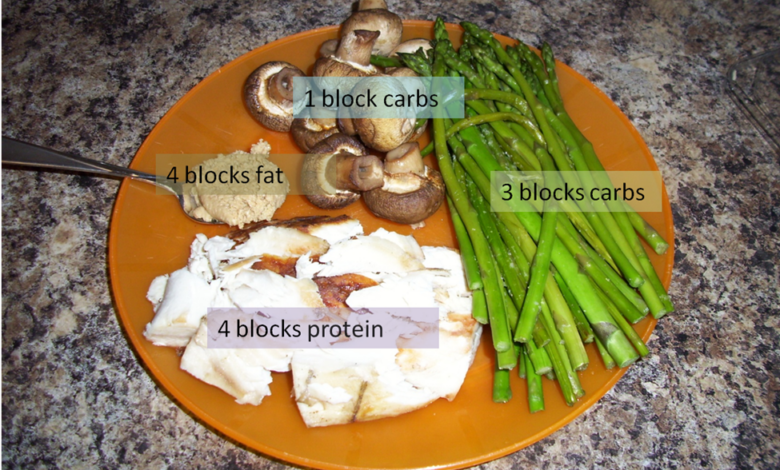
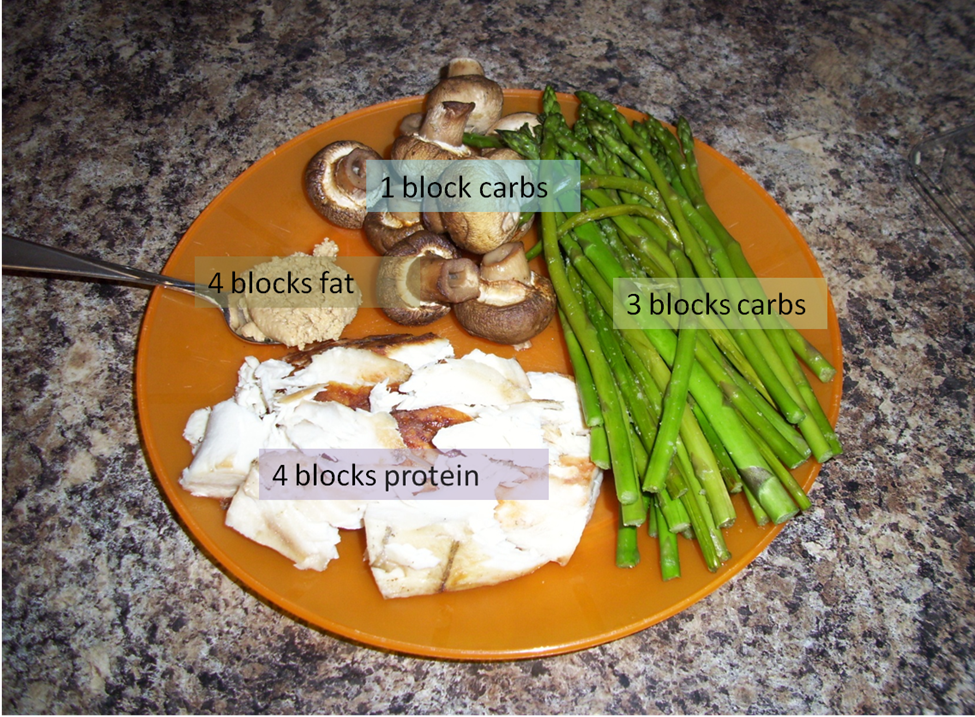
The Zone Diet’s core principles revolve around maintaining a specific macronutrient ratio for every meal and snack. This ratio, known as the “Zone,” is a 40:30:30 split, meaning 40% of calories should come from carbohydrates, 30% from protein, and 30% from healthy fats.
This balanced intake helps regulate blood sugar levels, reducing insulin spikes and promoting sustained energy.
Macronutrient Ratios in the Zone Diet
The Zone Diet emphasizes a balanced intake of macronutrients, with a specific ratio of 40:30:30 for carbohydrates, protein, and fat, respectively. This ratio aims to maintain a steady blood sugar level, reduce inflammation, and optimize metabolic function.
- Carbohydrates (40%):The Zone Diet encourages the consumption of complex carbohydrates, such as fruits, vegetables, and whole grains. These carbohydrates are digested slowly, preventing rapid blood sugar spikes.
- Protein (30%):Lean protein sources, such as fish, poultry, beans, and tofu, are essential for building and repairing tissues, as well as maintaining satiety.
- Fat (30%):Healthy fats, including monounsaturated and polyunsaturated fats found in olive oil, avocados, nuts, and seeds, play a vital role in hormone production, cell function, and overall health.
Foods Allowed and Restricted in the Zone Diet
The Zone Diet promotes the consumption of a wide range of nutrient-rich foods while restricting processed foods, sugary drinks, and unhealthy fats.
- Allowed Foods:
- Fruits:Apples, bananas, berries, oranges, pears
- Vegetables:Broccoli, carrots, spinach, tomatoes, zucchini
- Whole Grains:Brown rice, quinoa, oats
- Lean Protein:Fish, poultry, beans, tofu
- Healthy Fats:Olive oil, avocados, nuts, seeds
- Restricted Foods:
- Processed Foods:Fast food, packaged snacks, sugary cereals
- Sugary Drinks:Soda, fruit juice, energy drinks
- Unhealthy Fats:Trans fats, saturated fats from red meat and butter
Benefits of the Zone Diet
The Zone Diet, with its emphasis on balancing macronutrients and promoting insulin sensitivity, offers potential health benefits that extend beyond weight loss. Research suggests that adhering to this dietary approach can contribute to various aspects of well-being.
Weight Loss and Body Composition
The Zone Diet’s emphasis on controlled portions and balanced macronutrients can contribute to weight loss. By keeping insulin levels stable, the diet may help regulate appetite and reduce cravings, making it easier to maintain a calorie deficit for weight loss.
Research suggests that the Zone Diet can lead to significant weight loss and improved body composition, with a focus on reducing body fat and preserving lean muscle mass.
Drawbacks of the Zone Diet
While the Zone Diet offers potential health benefits, it’s essential to be aware of its potential drawbacks. Like any dietary approach, it may not be suitable for everyone, and some individuals may experience challenges in adhering to its principles.
Potential Nutrient Deficiencies
The Zone Diet emphasizes specific macronutrient ratios, which may lead to nutrient imbalances if not carefully monitored. For example, a strict adherence to the Zone Diet’s protein-heavy focus might result in an inadequate intake of fiber, which is crucial for digestive health and blood sugar regulation.
The Zone Diet is all about finding your perfect balance of macronutrients, and vegetables play a huge role in that. You’ll want to make sure you’re getting enough of those good-for-you greens, and that’s where a resource like 5 ways to up your vegetable game comes in handy.
It can help you get creative with your veggie intake, which is essential for staying on track with the Zone Diet’s principles.
The Zone Diet recommends consuming a 40% protein, 30% carbohydrate, and 30% fat ratio.
- Fiber deficiency:The Zone Diet’s emphasis on protein and fat might lead to insufficient fiber intake, potentially contributing to digestive issues and elevated cholesterol levels.
- Vitamin and mineral deficiencies:While the Zone Diet promotes healthy food choices, a lack of variety in food selection could lead to deficiencies in essential vitamins and minerals, such as vitamin C, iron, and calcium.
- Potential for overconsumption of protein:Excessive protein intake can burden the kidneys, especially for individuals with pre-existing kidney conditions.
Long-Term Sustainability
The Zone Diet’s strict guidelines and meticulous food planning can be challenging to maintain long-term. Its emphasis on specific food choices and macronutrient ratios might lead to feelings of deprivation or difficulty in social situations where adhering to the diet is difficult.
- Restrictive nature:The Zone Diet’s rigid food choices and macro ratios can make it challenging to maintain, especially for individuals with busy lifestyles or who enjoy social dining.
- Cost:Adhering to the Zone Diet can be expensive, as it often involves consuming specific foods and supplements, which may not be readily available or affordable for everyone.
- Social limitations:The Zone Diet’s restrictions on certain food groups can make it difficult to eat out or socialize with friends and family who may not follow the same dietary principles.
Getting Started with the Zone Diet
The Zone Diet, while promising, requires a significant shift in your eating habits. Starting this diet requires a structured approach to ensure a smooth transition and maximize its benefits.
Transitioning to the Zone Diet
Transitioning to the Zone Diet involves gradually incorporating its principles into your daily routine. This approach minimizes the risk of feeling overwhelmed and helps you adapt to the new eating patterns.
- Start with small changes:Instead of overhauling your entire diet at once, begin by making gradual adjustments. For instance, focus on increasing your intake of lean protein and healthy fats while reducing refined carbohydrates.
- Plan your meals:The Zone Diet emphasizes balanced meals with specific macronutrient ratios. Planning your meals ahead of time helps ensure you’re consistently adhering to the diet’s principles.
- Track your progress:Monitor your food intake and how you feel. This helps identify any potential challenges and adjust your approach as needed.
Calculating Macronutrient Intake
The Zone Diet’s core principle is maintaining a specific ratio of macronutrients – protein, carbohydrates, and fats – in every meal. This ratio, known as the “Zone,” aims to optimize hormone levels and promote metabolic balance.
The Zone Diet recommends a 40:30:30 ratio of protein, carbohydrates, and fats, respectively.
To determine your individual macronutrient intake, you need to consider your activity level and body composition. Online calculators and resources can assist you in calculating your daily protein, carbohydrate, and fat requirements.
Meal Planning and Recipe Ideas
Meal planning is essential for success on the Zone Diet.
- Utilize online resources:Several websites and apps offer Zone-compliant meal plans and recipes. These resources provide pre-designed meal options, simplifying the process of creating balanced meals.
- Explore Zone-friendly recipes:There are numerous recipes specifically designed for the Zone Diet, incorporating lean protein sources, healthy fats, and low-glycemic carbohydrates.
- Focus on whole foods:The Zone Diet emphasizes whole, unprocessed foods. Prioritize lean protein sources like fish, poultry, and beans, healthy fats like olive oil and avocado, and low-glycemic carbohydrates like vegetables and whole grains.
Zone Diet Recipes and Meal Ideas: 10 Things To Know Before Trying The Zone Diet
The Zone Diet focuses on balancing macronutrients (protein, carbohydrates, and fats) in every meal to achieve optimal health and weight management. This approach ensures a steady stream of energy throughout the day, helps regulate blood sugar levels, and supports overall well-being.
By following the Zone Diet principles, you can enjoy a variety of delicious and satisfying meals while staying within your desired macronutrient ratios.
Sample Weekly Meal Plan
Here is a sample weekly meal plan that incorporates Zone Diet principles:
- Monday:
- Breakfast: Scrambled eggs with spinach and a slice of whole-wheat toast
- Lunch: Grilled chicken salad with mixed greens, avocado, and a light vinaigrette dressing
- Dinner: Salmon with roasted asparagus and quinoa
- Tuesday:
- Breakfast: Oatmeal with berries and a sprinkle of nuts
- Lunch: Leftover salmon with a side of roasted vegetables
- Dinner: Turkey chili with a side of brown rice
- Wednesday:
- Breakfast: Smoothie with protein powder, spinach, banana, and almond milk
- Lunch: Tuna salad sandwich on whole-wheat bread with lettuce and tomato
- Dinner: Chicken stir-fry with brown rice and mixed vegetables
- Thursday:
- Breakfast: Yogurt with fruit and granola
- Lunch: Leftover chicken stir-fry
- Dinner: Lentil soup with whole-wheat bread
- Friday:
- Breakfast: Eggs with avocado and a side of fruit
- Lunch: Salad with grilled shrimp, mixed greens, and a light vinaigrette dressing
- Dinner: Pizza with whole-wheat crust, lean protein toppings, and vegetables
- Saturday:
- Breakfast: Pancakes with fruit and a drizzle of maple syrup
- Lunch: Leftover pizza
- Dinner: Steak with sweet potato fries and a side salad
- Sunday:
- Breakfast: Waffles with fruit and whipped cream
- Lunch: Leftover steak with a side of roasted vegetables
- Dinner: Chicken enchiladas with brown rice and a side salad
Zone Diet Recipes
The Zone Diet emphasizes balanced meals with a 40:30:30 macronutrient ratio of protein, carbohydrates, and healthy fats. Here is a table showcasing various Zone Diet-compliant recipes categorized by meal type:
| Meal Type | Recipe | Ingredients |
|---|---|---|
| Breakfast | Greek Yogurt Parfait | Plain Greek yogurt, berries, granola, and a drizzle of honey |
| Lunch | Tuna Salad with Whole-Wheat Crackers | Tuna, celery, onion, mayonnaise, and whole-wheat crackers |
| Dinner | Grilled Salmon with Roasted Vegetables | Salmon fillet, broccoli, carrots, olive oil, and lemon juice |
| Snack | Apple Slices with Almond Butter | Apple slices and almond butter |
Quick and Easy Zone Diet Snacks
Finding healthy and satisfying snacks that fit the Zone Diet principles can be easy. Here are a few quick and easy options:
- Hard-boiled eggs
- Trail mix with nuts, seeds, and dried fruit
- Cottage cheese with fruit
- Edamame pods
- Hummus with vegetables
Zone Diet and Exercise
The Zone Diet is a way of eating that focuses on maintaining balanced blood sugar levels and reducing inflammation. While it can be effective for weight loss and improving overall health, it can also play a role in enhancing athletic performance.
The Relationship Between the Zone Diet and Exercise
The Zone Diet and exercise work synergistically to improve health and well-being. The diet’s emphasis on balanced macronutrients, particularly protein, provides the building blocks for muscle repair and growth. Exercise, in turn, helps to increase insulin sensitivity, making the body more efficient at using glucose for energy.
This can lead to improved blood sugar control and a reduction in insulin resistance, both of which are key benefits of the Zone Diet.
Impact on Athletic Performance
The Zone Diet can enhance athletic performance by:
- Improving Recovery:The balanced macronutrient ratios in the Zone Diet, particularly the higher protein intake, can help with muscle recovery after intense workouts.
- Increasing Endurance:The diet’s focus on healthy fats can provide sustained energy, improving endurance during exercise.
- Reducing Inflammation:The anti-inflammatory properties of the Zone Diet can help minimize muscle soreness and improve overall recovery.
Recommendations for Incorporating Exercise
Here are some tips for incorporating exercise into a Zone Diet plan:
- Choose Activities You Enjoy:The most sustainable exercise routine is one that you find enjoyable. This will make it more likely that you’ll stick with it.
- Start Gradually:If you’re new to exercise, start slowly and gradually increase the intensity and duration of your workouts.
- Listen to Your Body:Pay attention to how your body feels and rest when you need to.
- Seek Professional Guidance:Consult with a certified personal trainer or sports nutritionist to develop a personalized exercise plan that complements your Zone Diet goals.
Zone Diet and Supplements
The Zone Diet is a nutrition plan that emphasizes balancing macronutrients (protein, carbohydrates, and fats) in a specific ratio to achieve optimal health and weight management. While the diet itself focuses on whole foods, some individuals may find that incorporating certain supplements can enhance their overall well-being and support their Zone Diet goals.
Supplements That May Be Beneficial
Supplements can potentially address specific nutritional gaps or support certain aspects of health that may be relevant to those following the Zone Diet.
- Omega-3 Fatty Acids:These essential fatty acids are crucial for heart health, brain function, and inflammation management. Good sources of omega-3s include fatty fish like salmon, mackerel, and tuna. However, supplementation with fish oil or krill oil can help ensure adequate intake, especially for individuals who do not consume enough fatty fish.
- Vitamin D:Vitamin D plays a vital role in calcium absorption, bone health, and immune function. Sunlight exposure is the primary source of vitamin D, but many people, especially those living in northern latitudes or with limited sun exposure, may benefit from supplementation.
The Zone Diet can be a great way to lose weight and improve your overall health, but it’s important to understand the basics before diving in. One thing you’ll want to consider is how to manage cravings, and a great strategy is to find healthier alternatives to your favorite foods.
For example, you might be surprised to find some delicious and satisfying options on a list of 11 healthy pizzas under 400 calories. This can help you stay on track with your diet without feeling deprived. Of course, there are other things to consider as well, such as how to balance your macronutrients and how to incorporate regular exercise into your routine.
- Magnesium:Magnesium is essential for muscle function, nerve health, and blood sugar control. It is found in many foods, but supplementation may be beneficial for those with magnesium deficiencies.
- Probiotics:Probiotics are live bacteria that are beneficial for gut health. They can help support digestion, immune function, and overall well-being.
- Creatine:Creatine is a naturally occurring compound found in muscle tissue that can enhance athletic performance and muscle growth. It is often used by individuals engaging in resistance training.
Importance of Consulting a Healthcare Professional
It’s crucial to emphasize that supplements should not be considered a replacement for a balanced diet. Always consult with a qualified healthcare professional before taking any supplements, especially if you have underlying health conditions, are taking medications, or are pregnant or breastfeeding.
A healthcare professional can assess your individual needs, advise on appropriate dosages, and monitor for any potential interactions or side effects.
The Zone Diet can be a game-changer for your health, but it’s important to be informed before diving in. From understanding the macronutrient ratios to finding delicious recipes that fit the plan, there’s a lot to learn. And while you’re planning your meals, don’t forget to consider the visual appeal of your plates! Check out these 5 ways to fill your thanksgiving table with color for inspiration.
After all, a balanced and colorful plate is just as important as a balanced diet. Once you’ve got the basics down, the Zone Diet can be a rewarding way to reach your health goals.
Zone Diet and Long-Term Sustainability
The Zone Diet, with its emphasis on balanced macronutrients and blood sugar control, holds promise for long-term health and weight management. However, like any dietary approach, its sustainability hinges on factors such as individual preferences, lifestyle, and commitment. This section explores the long-term sustainability of the Zone Diet and provides tips for making it a lifestyle change.
Factors Affecting Long-Term Sustainability, 10 things to know before trying the zone diet
The long-term sustainability of any diet depends on several factors, including:
- Individual Preferences:The Zone Diet’s emphasis on specific macronutrient ratios might not align with everyone’s taste preferences. Some individuals might find it restrictive or challenging to adhere to the 40/30/30 macronutrient ratio over extended periods.
- Lifestyle:Busy schedules, limited access to healthy food options, and social gatherings can pose challenges to maintaining the Zone Diet.
- Commitment:Consistent adherence to any dietary approach requires dedication and a willingness to make long-term lifestyle changes. The Zone Diet, with its focus on meal planning and macronutrient tracking, might require a significant time commitment.
Tips for Making the Zone Diet a Lifestyle Change
To increase the chances of long-term success with the Zone Diet, consider these strategies:
- Gradual Implementation:Instead of making drastic changes overnight, gradually incorporate Zone Diet principles into your existing eating habits. This can help you adjust to the new approach without feeling overwhelmed.
- Find Your Zone:Experiment with different food combinations and recipes to discover what works best for your taste buds and lifestyle. The Zone Diet offers flexibility in food choices, allowing you to personalize your meals.
- Seek Support:Connect with others who follow the Zone Diet or join online communities for motivation and support. Sharing experiences and recipes can make the journey more enjoyable and sustainable.
- Focus on Sustainability:Rather than viewing the Zone Diet as a temporary fix, aim to integrate its principles into your long-term lifestyle. This shift in mindset can help you maintain healthy habits over time.
Dietary Flexibility within the Zone Diet Framework
The Zone Diet offers some flexibility within its framework. While the 40/30/30 macronutrient ratio serves as a guideline, it’s possible to adjust the specific proportions based on individual needs and preferences.
- Carb Flexibility:The Zone Diet allows for a range of carbohydrate sources, including fruits, vegetables, and whole grains. You can adjust the amount of carbohydrates based on your activity level and metabolic needs.
- Protein Choices:The Zone Diet encourages lean protein sources, such as fish, poultry, and beans. You can choose from various protein options based on your preferences and dietary restrictions.
- Healthy Fats:The Zone Diet emphasizes healthy fats, such as olive oil, avocados, and nuts. These fats contribute to satiety and provide essential nutrients.
“The Zone Diet is not a rigid diet; it’s a way of life. It’s about finding a balance that works for you and making healthy choices that you can sustain over time.”Dr. Barry Sears, creator of the Zone Diet
Who Should Consider the Zone Diet?

The Zone Diet, with its emphasis on balanced macronutrients and anti-inflammatory foods, can be a valuable approach for various individuals seeking to improve their health and well-being. However, it’s crucial to understand who might benefit most from this dietary approach and who might need to proceed with caution.
Individuals Who May Benefit from the Zone Diet
The Zone Diet’s principles can be particularly beneficial for individuals facing specific health challenges or seeking to optimize their overall health. Here are some groups who might consider adopting the Zone Diet:
- Individuals with Chronic Inflammatory Conditions:The Zone Diet’s focus on anti-inflammatory foods and its emphasis on reducing processed foods and refined carbohydrates can be beneficial for individuals with chronic inflammatory conditions like rheumatoid arthritis, inflammatory bowel disease, or lupus. The diet’s emphasis on omega-3 fatty acids, found in fatty fish and certain nuts and seeds, may also help reduce inflammation.
- Those Seeking Weight Management:The Zone Diet’s balanced macronutrient approach, with a moderate intake of protein, carbohydrates, and healthy fats, can be helpful for weight management. The diet’s emphasis on satiety and reducing insulin spikes can help regulate appetite and prevent overeating.
- Individuals with Insulin Resistance or Prediabetes:The Zone Diet’s focus on low-glycemic index foods and balanced macronutrients can help regulate blood sugar levels and improve insulin sensitivity. This can be beneficial for individuals with insulin resistance or prediabetes.
- Athletes and Active Individuals:The Zone Diet’s balanced macronutrient approach can provide athletes with the optimal fuel for training and recovery. The diet’s emphasis on protein and healthy fats can support muscle growth and repair, while its moderate carbohydrate intake can provide sustained energy.
Potential Contraindications for the Zone Diet
While the Zone Diet can be beneficial for many, it’s essential to consider potential contraindications before adopting this dietary approach.
- Individuals with Certain Medical Conditions:Individuals with specific medical conditions, such as kidney disease, liver disease, or certain types of allergies, may need to adjust the Zone Diet or consult with a healthcare professional before making significant dietary changes. The diet’s emphasis on protein intake may need to be adjusted in individuals with kidney disease, for example.
- Pregnancy and Breastfeeding:Pregnant and breastfeeding women should consult with their healthcare provider before adopting the Zone Diet. The diet’s specific macronutrient ratios may not be suitable for all pregnancies and breastfeeding situations. It’s essential to ensure adequate nutrient intake for both the mother and the baby.
- Food Allergies or Intolerances:Individuals with food allergies or intolerances may need to adjust the Zone Diet to avoid triggering foods. For example, those with gluten sensitivity or celiac disease will need to avoid grains like wheat, rye, and barley. Consulting with a registered dietitian or allergist can be helpful in adapting the diet to individual needs.
Consulting a Healthcare Professional
It’s crucial to consult with a healthcare professional, such as a registered dietitian or physician, before making significant dietary changes, including adopting the Zone Diet. They can assess your individual needs, medical history, and any potential contraindications to ensure the diet is safe and appropriate for you.
Zone Diet vs. Other Diets
The Zone Diet is not the only diet out there promoting balanced nutrition and health. It’s helpful to understand how it compares to other popular diets, such as the Mediterranean Diet, the DASH Diet, and the Paleo Diet. This comparison can help you decide which diet might be best for your individual needs and preferences.
Macronutrient Ratios
The Zone Diet focuses on achieving a specific macronutrient ratio of 40% carbohydrates, 30% protein, and 30% fat. This ratio is designed to balance blood sugar levels, reduce inflammation, and promote optimal hormonal function. Let’s see how this compares to other diets:
- Mediterranean Diet:Emphasizes fruits, vegetables, whole grains, legumes, nuts, seeds, olive oil, and fish. It doesn’t focus on specific macronutrient ratios but generally leans towards a higher carbohydrate intake, lower protein intake, and moderate fat intake.
- DASH Diet:Focuses on reducing sodium intake and increasing potassium, magnesium, and calcium intake. It emphasizes fruits, vegetables, whole grains, lean protein, and low-fat dairy. The DASH Diet doesn’t specify a specific macronutrient ratio, but it generally promotes a moderate intake of carbohydrates, protein, and fat.
- Paleo Diet:Emphasizes whole, unprocessed foods that were likely consumed by our hunter-gatherer ancestors. It eliminates grains, legumes, dairy, refined sugars, and processed foods. The Paleo Diet typically results in a higher protein and fat intake, with a lower carbohydrate intake.
Food Choices
The Zone Diet provides a list of approved and disapproved foods based on their glycemic index and macronutrient content. The emphasis is on lean protein, healthy fats, and low-glycemic carbohydrates.
- Mediterranean Diet:Encourages the consumption of a wide variety of fruits, vegetables, whole grains, legumes, nuts, seeds, olive oil, and fish. It limits red meat and processed foods.
- DASH Diet:Emphasizes fruits, vegetables, whole grains, lean protein, and low-fat dairy. It limits saturated and trans fats, cholesterol, and sodium.
- Paleo Diet:Allows for a wide variety of meat, fish, poultry, eggs, fruits, vegetables, nuts, and seeds. It eliminates grains, legumes, dairy, refined sugars, and processed foods.
Health Benefits
Each diet offers potential health benefits. The Zone Diet, with its emphasis on balanced macronutrients, aims to improve insulin sensitivity, reduce inflammation, and promote weight loss.
- Mediterranean Diet:Studies have shown that the Mediterranean Diet can reduce the risk of heart disease, stroke, type 2 diabetes, and some types of cancer.
- DASH Diet:The DASH Diet is proven to lower blood pressure, reduce the risk of heart disease, and improve blood sugar control.
- Paleo Diet:Advocates of the Paleo Diet claim it can improve weight loss, reduce inflammation, and improve blood sugar control. However, more research is needed to confirm these claims.
Summary
Whether you’re looking to improve your health, manage your weight, or enhance your athletic performance, understanding the Zone Diet’s principles and potential implications is crucial. Remember, before making any significant dietary changes, it’s essential to consult with a healthcare professional.
They can provide personalized advice and help you determine if the Zone Diet aligns with your individual needs and health goals.