Navigating Life After Braces: What to Expect When Your Orthodontic Treatment Finally Concludes


The removal of orthodontic braces represents a significant milestone for patients who have spent months or even years managing dietary restrictions, meticulous cleaning routines, and periodic tightening appointments. Reaching the conclusion of this journey allows individuals to finally reveal the transformed alignment of their teeth. However, dental professionals emphasize that the removal of brackets and wires does not mark the absolute end of the orthodontic process. Instead, it transitions the patient into a crucial new phase focused on stabilization, retention, and long-term oral hygiene maintenance. Understanding the physiological changes, the sensations associated with debonding, and the indispensable role of retainers ensures that patients protect their investment and maintain their newly straightened smiles for decades to come.
The Debonding Procedure: What Happens When Braces Come Off
When the anticipated day of braces removal finally arrives, the clinical procedure is typically straightforward and efficient. Orthodontists utilize specialized instruments to apply gentle pressure to the brackets, causing them to detach from the enamel surfaces of the teeth. Patients frequently report hearing and feeling distinct clicking sounds as the brackets, bands, and archwires are systematically removed.
Following the removal of the hardware, the clinical team turns its attention to clearing away the remaining orthodontic bonding adhesive. Using specialized polishing burs, dental professionals carefully buff the tooth surfaces to ensure they return to their natural smoothness. This step is essential not only for aesthetic reasons but also to prevent plaque accumulation on residual resin. Depending on the specifics of the patient’s treatment plan, the orthodontist may also capture final diagnostic records, which can include digital scans, physical impressions, photographs, or panoramic X-rays. These records allow the practitioner to evaluate the final occlusion and ensure that all functional and aesthetic goals established at the beginning of treatment have been successfully achieved.
Sensations and Discomfort: Does Getting Braces Off Hurt?
A common anxiety among patients approaching the end of their treatment is whether the removal process will cause pain. Generally, debonding is not considered painful, though it does produce unusual physical sensations. As each bracket is detached, patients typically experience brief moments of pressure, squeezing, or pulling. Similarly, the polishing phase generates vibrations and friction against the teeth. These sensations are temporary, usually lasting only a fraction of a second per tooth, and the entire appointment is frequently described by patients as far more comfortable than anticipated.
Once the hardware is gone, the immediate physical transition can be striking. Without brackets and wires obstructing the tongue and lips, the teeth often feel remarkably smooth, thin, or even foreign when biting down. Furthermore, mild sensitivity in the teeth and gums is common immediately following the procedure. This discomfort can stem from the gentle forces applied during debonding, residual gum irritation from the braces era, or the sudden exposure of tooth surfaces that were previously shielded. This sensitivity is typically short-lived and subsides independently within a few days.
Physiological Adjustments: Why Teeth May Feel Loose and Sensitive
Beyond immediate surface-level changes, patients are often surprised to discover that their teeth may feel slightly loose after the braces are removed. This phenomenon is a normal part of orthodontic biomechanics. Orthodontic treatment relies on the controlled application of pressure to remodel the alveolar bone and periodontal ligament tissues surrounding the roots of the teeth. Once the active forces of the braces are eliminated, these supporting tissues require time to fully reorganize and solidify around the teeth in their new positions.
During this stabilization window, which spans several weeks to months, minor mobility is expected. However, if a tooth exhibits extreme looseness, sharp pain, or an improper bite alignment, patients are strongly advised to contact their orthodontist promptly for an evaluation. Temperature sensitivity to hot, cold, or sweet stimuli is another common side effect during this transition period. Recommendations from dental professionals often include the temporary use of specialized desensitizing toothpastes to mitigate discomfort while the oral cavity adapts.
Resuming Normal Diets with Caution
One of the most celebrated aspects of getting braces removed is the immediate return to unrestricted eating. Foods that were strictly forbidden throughout the treatment period—such as crisp apples, whole carrots, chewy caramels, sticky taffy, and hard popcorn kernels—can finally be reintroduced into the diet.
Despite this newfound dietary freedom, orthodontists advise patients to exercise moderation during the first few days post-removal. Because the teeth and periodontal ligaments are still recovering from the debonding process and adjusting to stabilization, biting into exceptionally hard or crunchy foods can trigger localized soreness. Easing back into a normal diet over the course of a week allows the oral tissues to adjust comfortably without unnecessary strain. Additionally, patients utilizing removable retainers are generally instructed to take them out prior to eating or drinking anything other than water to prevent warping or structural damage.
The Indispensable Role of Retainers in Orthodontic Stability
The conclusion of active orthodontic treatment immediately ushers in the retention phase, making the retainer an essential daily companion. Teeth possess a natural memory and a continuous tendency to drift back toward their original misaligned positions—a phenomenon known in the dental community as orthodontic relapse. This movement is driven by the elasticity of the periodontal fibers and the ongoing forces exerted by the lips, cheeks, and tongue, as well as natural craniofacial changes associated with aging.
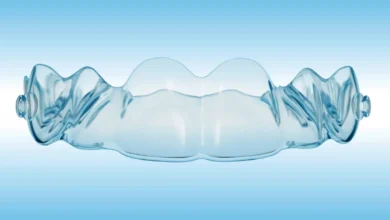
To counteract these natural forces, orthodontists prescribe custom-fit retainers. There are several primary categories of retainers utilized in modern practice:
- Removable clear plastic retainers (often vacuum-formed over a digital model of the teeth) offer a discreet appearance and snug fit.
- Traditional Hawley retainers combine acrylic plates molded to the roof or floor of the mouth with a visible wire labial bow that spans the front of the teeth.
- Permanent or fixed bonded retainers consist of a thin wire cemented directly to the lingual (tongue-facing) surfaces of the front teeth, typically spanning from canine to canine, providing continuous, 24/7 retention without patient compliance risks.
The prescribed wearing schedule is rigorous during the initial months following braces removal. Patients are typically instructed to wear removable retainers full-time—removing them only for meals, brushing, and flossing—to give the surrounding bone adequate time to calcify and stabilize around the teeth. As months pass and stability improves, orthodontists frequently transition patients to a nighttime-only wear schedule. Adhering strictly to this regimen is vital; failing to wear a retainer consistently can result in rapid shifting, causing the appliance to feel tight or cease fitting altogether. Forcing a misaligned retainer onto shifted teeth can damage the appliance or harm the teeth, necessitating professional evaluation by an orthodontist.
Post-Removal Oral Hygiene and Follow-Up Care
Maintaining optimal oral hygiene becomes even more critical once braces are removed. Without brackets and wires trapping food particles and plaque, cleaning the teeth with a toothbrush and dental floss is significantly easier. However, the absence of hardware does not eliminate the risk of tooth decay or periodontal disease. Patients are encouraged to maintain rigorous daily brushing and flossing habits, incorporate antiseptic mouthwashes, and ensure their retainers are thoroughly cleaned daily using non-abrasive cleansers to prevent bacterial buildup and calcium deposits.
Furthermore, post-removal care extends beyond home maintenance. Orthodontists typically schedule a series of strategic follow-up appointments over the months and years following debonding. These visits allow the clinical team to monitor the stability of the dentition, evaluate the condition and fit of the retainers, and catch any early signs of relapse or bite changes before they escalate into major issues.
When to Consult Your Orthodontist
While the transition out of braces is generally smooth, patients should remain vigilant and reach out to their orthodontic provider if specific concerns arise. Warning signs that warrant professional attention include:
- A retainer that cracks, breaks, becomes lost, or no longer fits comfortably over the teeth.
- Sudden or progressive changes in tooth alignment or bite closure.
- Persistent, severe pain, or extreme tooth mobility that does not improve over time.
- Gums that remain chronically swollen, bleeding, or irritated despite diligent home hygiene.
By addressing these issues proactively, patients protect the significant time, effort, and financial investment dedicated to their orthodontic treatment. Getting braces off marks the end of an era, but through disciplined retainer use and ongoing dental vigilance, a straight, healthy smile remains a permanent asset for a lifetime.
Related posts: