
Embarking on an orthodontic journey involves far more than merely selecting brackets or transparent aligner trays; it requires a comprehensive understanding of the physical, financial, and logistical commitments involved. Patients frequently enter consultations with pressing inquiries regarding treatment duration, potential discomfort, management of unexpected mishaps such as a broken appliance on a Friday evening, and the ultimate transition to lifetime retention. According to data from the American Association of Orthodontists (AAO), millions of individuals—spanning children, teenagers, and an increasingly large demographic of adults—undergo orthodontic interventions annually to correct malocclusions, alleviate crowded teeth, and improve overall oral health. Understanding the clinical realities, from the initial diagnostic scans to the final removal of a retainer, allows patients to approach their care with realistic expectations and enhanced compliance.
Comprehensive Chronology: From Initial Consultation to Retention
The orthodontic process follows a structured timeline designed to ensure safe, predictable tooth movement. The chronological progression typically spans several distinct phases, each serving a critical clinical function.
The journey begins with the initial consultation and diagnostic records phase. During this appointment, the orthodontist evaluates the patient’s facial symmetry, skeletal jaw relationship, and dental alignment using advanced diagnostic tools, including digital or physical impressions, panoramic and cephalometric radiographs, and intraoral scans. Based on this thorough examination, the specialist formulates a customized treatment plan detailing the estimated duration and the recommended appliance type.
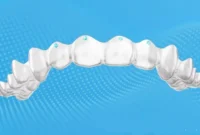
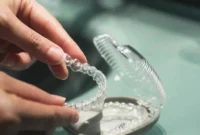
Following the consultation comes the active treatment phase, which represents the core of the orthodontic experience. For traditional braces, this phase initiates with the bonding appointment, where brackets are affixed to the teeth and the primary archwire is secured. For clear aligner therapy, this stage begins once the custom-manufactured series of trays arrives from the laboratory, followed by the placement of tooth-colored composite attachments to facilitate complex movements. Throughout active treatment, patients attend periodic monitoring appointments—typically scheduled every six to ten weeks—to assess progress, replace degraded components, and apply progressive forces.
The final stage of the clinical timeline is the retention phase. Once active tooth movement is complete and the desired occlusion is achieved, appliances are removed, and impressions or scans are taken for custom retainers. Because periodontal ligaments and surrounding bone require time to stabilize in their new positions, consistent retainer wear is mandatory. Initially, orthodontists generally prescribe full-time wear, gradually transitioning to nighttime-only wear over several months or years to prevent natural relapse.
Timeline Variables and Factors Influencing Treatment Duration
A frequent point of inquiry among prospective patients is the precise duration of their treatment. Clinical data indicates that orthodontic treatment typically ranges from eight to thirty-six months, though several biological and mechanical variables heavily influence this timeline.
The complexity of the malocclusion is the primary determinant of treatment length. Minor aesthetic concerns, such as mild anterior crowding or localized spacing, can frequently be resolved efficiently within eight to twelve months. Conversely, severe skeletal discrepancies, such as Class II or Class III bite alignments, impacted teeth, or significant crossbites, necessitate prolonged biomechanical management that can extend beyond two years.
Patient demographics also play a crucial role. Pediatric and adolescent patients often experience shorter treatment durations due to ongoing facial growth and more pliable bone density. In contrast, mature adult patients possess fully mineralized jawbones, meaning cellular remodeling occurs at a slightly slower pace, which can marginally extend active treatment timelines. Furthermore, patient compliance is a vital variable. Adhering strictly to prescribed wear schedules for elastics or aligners—typically 20 to 22 hours per day for aligners—keeps treatment progressing smoothly. Conversely, poor compliance, frequent breakage of brackets, lost aligners, or missed appointments can introduce significant delays. Maintaining rigorous oral hygiene is equally critical; untreated caries or periodontal complications arising mid-treatment require immediate cessation of active movement to address dental health, further protracting the overall schedule.
Comparative Analysis of Orthodontic Modalities: Braces Versus Clear Aligners
A pervasive misconception in modern orthodontics is that clear aligners inherently offer a faster treatment timeline than conventional fixed appliances. Industry experts and clinical observations indicate that this assumption is often incorrect. Clear aligners are not fabricated on-site during a patient visit; instead, they are mass-produced in specialized industrial manufacturing facilities based on digital treatment simulations. The logistics of digital planning, remote manufacturing, and international shipping can introduce a waiting period of several weeks before treatment even commences. Once the trays arrive, initial fitting appointments, attachment placements, and patient acclimatization equalize the timeline, rendering the overall duration comparable to traditional braces.
Braces, by comparison, are applied directly to the dentition during a single clinical visit, initiating mechanical force delivery immediately. The orthodontist retains continuous, active control over tooth movement at every adjustment appointment. Consequently, neither modality possesses an inherent speed advantage; rather, the rate of progression is dictated by the biological response of the patient’s periodontal tissues and adherence to clinical instructions.
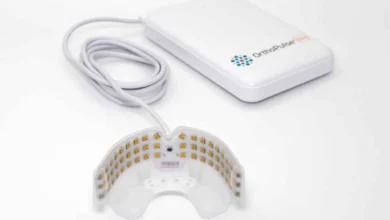
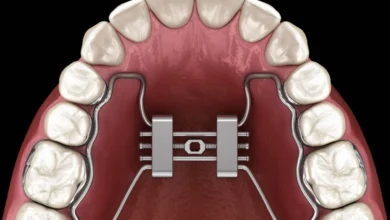
Selecting the optimal treatment option involves weighing clinical indications against lifestyle preferences. Fixed braces excel in managing complex, three-dimensional tooth movements requiring high-precision torque and root control, as the orthodontist maintains direct, mechanical command over each individual bracket. Clear aligners offer distinct aesthetic and functional advantages, being virtually invisible and entirely removable. This removability allows patients to maintain normal dietary habits without restrictions and facilitates optimal oral hygiene through unhindered brushing and flossing. However, their efficacy relies entirely on patient discipline. Failure to wear the aligners for the recommended duration significantly compromises treatment outcomes. In many modern orthodontic protocols, hybrid approaches are utilized, combining clear aligners with temporary anchorage devices (TADs), elastics, or auxiliary appliances to achieve optimal clinical results.
Managing Treatment Discomfort and Clinical Realities
Discomfort is a natural physiological response to the controlled mechanical forces applied during orthodontic treatment. Understanding the nature of this discomfort helps patients differentiate between normal adaptation symptoms and clinical complications.
Most patients report a dull ache, pressure, or heightened dental sensitivity for two to five days following the initial placement of braces or the delivery of a new set of aligners. This sensation corresponds with the localized inflammatory response and cellular remodeling occurring within the periodontal ligament as teeth begin to shift. Additionally, the soft tissues of the lips, cheeks, and tongue frequently experience minor friction-induced irritation as they adapt to the presence of foreign hardware.
To mitigate this temporary discomfort, professionals recommend several evidence-based management strategies:
- Consuming soft foods during the initial adjustment period to minimize biting pressure.
- Rinsing the oral cavity with warm saline solutions to soothe inflamed mucosal tissues.
- Utilizing over-the-counter analgesics, as recommended by a healthcare provider, to manage acute inflammatory responses.
- Applying medical-grade orthodontic wax over abrasive bracket edges or protruding wire ends to prevent mucosal ulceration.
While mild soreness is expected, persistent, sharp, or escalating pain is abnormal. Patients experiencing continuous distress that fails to subside after several days are advised to contact their orthodontic provider for evaluation.
Categorizing Orthodontic Emergencies Versus Routine Mishaps
Navigating life with orthodontic appliances occasionally involves mechanical failures. Differentiating between a true medical emergency and a routine equipment malfunction ensures appropriate responses and reduces unnecessary stress for both patients and clinical staff.
Routine mechanical issues, while inconvenient, are generally non-urgent. These include:
- A loose or detached orthodontic bracket or band.
- A protruding or slightly displaced archwire causing local tissue irritation.
- A lost, fractured, or warped clear aligner tray or removable retainer.
- Mild poking from ligature wires.
For these non-emergency incidents, patients should contact their orthodontic clinic during standard business hours to report the issue. The clinical staff will determine whether the complication requires immediate repair or can be safely managed until the next scheduled visit. Utilizing a home orthodontic kit containing dental floss, sterile tweezers, a small interproximal brush, and orthodontic wax can temporarily stabilize these minor issues between appointments.
Conversely, true orthodontic and medical emergencies demand immediate professional intervention. These critical situations comprise:
- Severe, uncontrolled oral hemorrhage resulting from trauma to the hard or soft tissues.
- Acute respiratory distress or difficulty swallowing caused by inhaled or ingested orthodontic components.
- Suspected fractures of the facial skeleton or mandible resulting from physical trauma.
- Complete avulsion (knocked-out) of a permanent natural tooth.
In the event of a true medical emergency, patients must seek immediate evaluation at a hospital emergency department, dental trauma center, or through emergency oral surgery services.
The Critical Role of Retention in Long-Term Stability
The conclusion of active orthodontic treatment marks the beginning of the critical retention phase. Biological memory in the periodontal fibers and surrounding alveolar bone naturally drives teeth back toward their original pre-treatment positions. To counteract this physiological tendency, customized retainers—whether fixed (bonded lingual wires) or removable (Hawley or vacuum-formed clear plastic trays)—are prescribed.
Orthodontic professionals emphasize that the long-term success of the investment in dental alignment depends entirely on compliance with the retention protocol. Neglecting to wear retainers as prescribed frequently leads to unwanted orthodontic relapse, necessitating retreatment. Because every patient presents with a unique anatomical structure, bite classification, and lifestyle requirement, consulting a qualified specialist is essential. Patients seeking tailored care and professional oversight are encouraged to consult certified practitioners, such as those verified through the American Association of Orthodontists, to design a personalized and enduring treatment strategy.